
Study in Japan
Diamond International Education Consultancy
Why Study in Japan ?
Japan is an excellent destination for higher education, offering a unique combination of world-class academics, cultural richness, and advanced technological exposure. The country is renowned for its high academic standards and globally respected degrees, with top universities like the University of Tokyo and Kyoto University leading in fields such as engineering, robotics, and environmental sciences.
Compared to other study destinations, Japan provides affordable tuition fees and numerous scholarships, such as the MEXT (Monbukagakusho) Scholarship, easing the financial burden for international students. Furthermore, Japan’s innovative environment, reflected in its cutting-edge technology and research opportunities, offers an ideal setting for students to develop skills for a competitive global market. Beyond academics, students can immerse themselves in Japan’s vibrant culture, enjoy its safe and clean living conditions, and benefit from its efficient public transportation system, making it a well-rounded choice for international education.
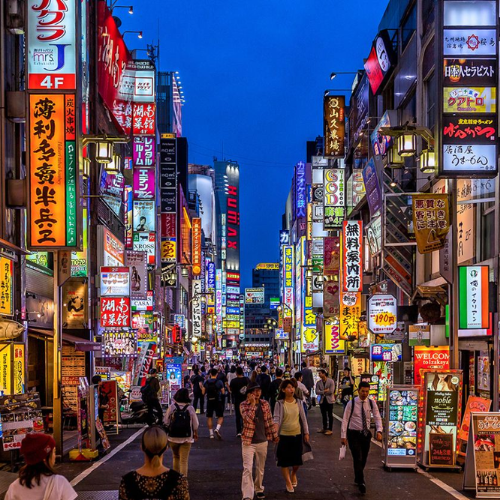
Facts about the Japan
General Facts
- Capital: Tokyo, the bustling capital, is the most populous metropolitan area in the world.
- Population: Japan has a population of approximately 125 million people.
- Language: Japanese is the official language, and the writing system includes Kanji (characters borrowed from Chinese) and Kana (Hiragana and Katakana).
Geography
- Islands: Japan is an archipelago of 6,852 islands, with Honshu, Hokkaido, Kyushu, and Shikoku being the main ones.
- Mount Fuji: The iconic Mount Fuji, standing at 3,776 meters (12,389 feet), is the highest peak in Japan.
- Seasons: Japan experiences four distinct seasons, with beautiful cherry blossoms in spring and vibrant maple leaves in autumn.
History and Heritage
- Samurai Culture: Japan’s feudal history includes legendary samurai warriors, who followed the Bushido code of honor.
- Ancient Capital: Kyoto, the former capital, is famous for its temples, traditional tea houses, and geisha culture.
- Emperor: Japan is the world’s oldest hereditary monarchy, with a lineage tracing back over 2,600 years.
Economy and Innovation
- World’s Oldest Currency: The British Pound Sterling (£) is the oldest currency still in use.
- Industrial Revolution: The UK was the birthplace of the Industrial Revolution in the 18th century.
- Tech and Innovation: Tim Berners-Lee, a British scientist, invented the World Wide Web in 1989.
Culture and Traditions
- Traditional Clothing: The kimono, a traditional garment, is often worn during festivals and special occasions.
- Matsuri Festivals: Japan celebrates hundreds of vibrant festivals (matsuri) throughout the year, such as the Gion Matsuri in Kyoto.
- Tea Ceremony: The Japanese tea ceremony, or chanoyu, reflects the country’s Zen and aesthetic traditions.
Education and Innovation
- Education System: Japan boasts a high literacy rate of nearly 100%, and education is highly valued.
- Nobel Prizes: Japanese researchers have won numerous Nobel Prizes in fields like physics, chemistry, and medicine.
- Long Lifespan: Japan has one of the highest life expectancies in the world, thanks to its healthcare and lifestyle.
Food and Cuisine
- Famous Dishes: Sushi, ramen, tempura, and sashimi are iconic Japanese dishes loved worldwide.
- Bento Boxes: The artfully prepared lunch boxes (bento) are a staple of Japanese culture.
- Sake: Japan’s traditional rice wine, sake, is a popular beverage often served during celebrations.
Nature and Wildlife
- Hot Springs (Onsen): Japan has thousands of natural hot springs, used for relaxation and therapy.
- Cherry Blossoms (Sakura): The blooming of cherry blossoms in spring is a celebrated national event.
- Snow Monkeys: The Japanese macaques, or snow monkeys, are famous for bathing in hot springs during winter.